Retailers Computer Services UI Modernisation
The Background
Retailers Computer Services (RCS) is a long established provider of point of sale and business management software for independent retailers and trade suppliers across Australia. Its flagship system has been continuously developed and supported for more than thirty years, and remains in daily use across a substantial base of merchants who rely on it to run stock, sales, purchasing and accounts.
That longevity is an asset. The software encodes decades of hard won retail logic, and its stability is precisely why customers stay loyal to it. The system is built on Visual BBj, the modern evolution of the Business BASIC lineage, giving it a mature and proven core that continues to serve merchants reliably day after day.
James Anthony Consulting (JAC) was approached to help modernise the look and feel of the system, working hand in hand with the RCS engineering team.
The Challenge
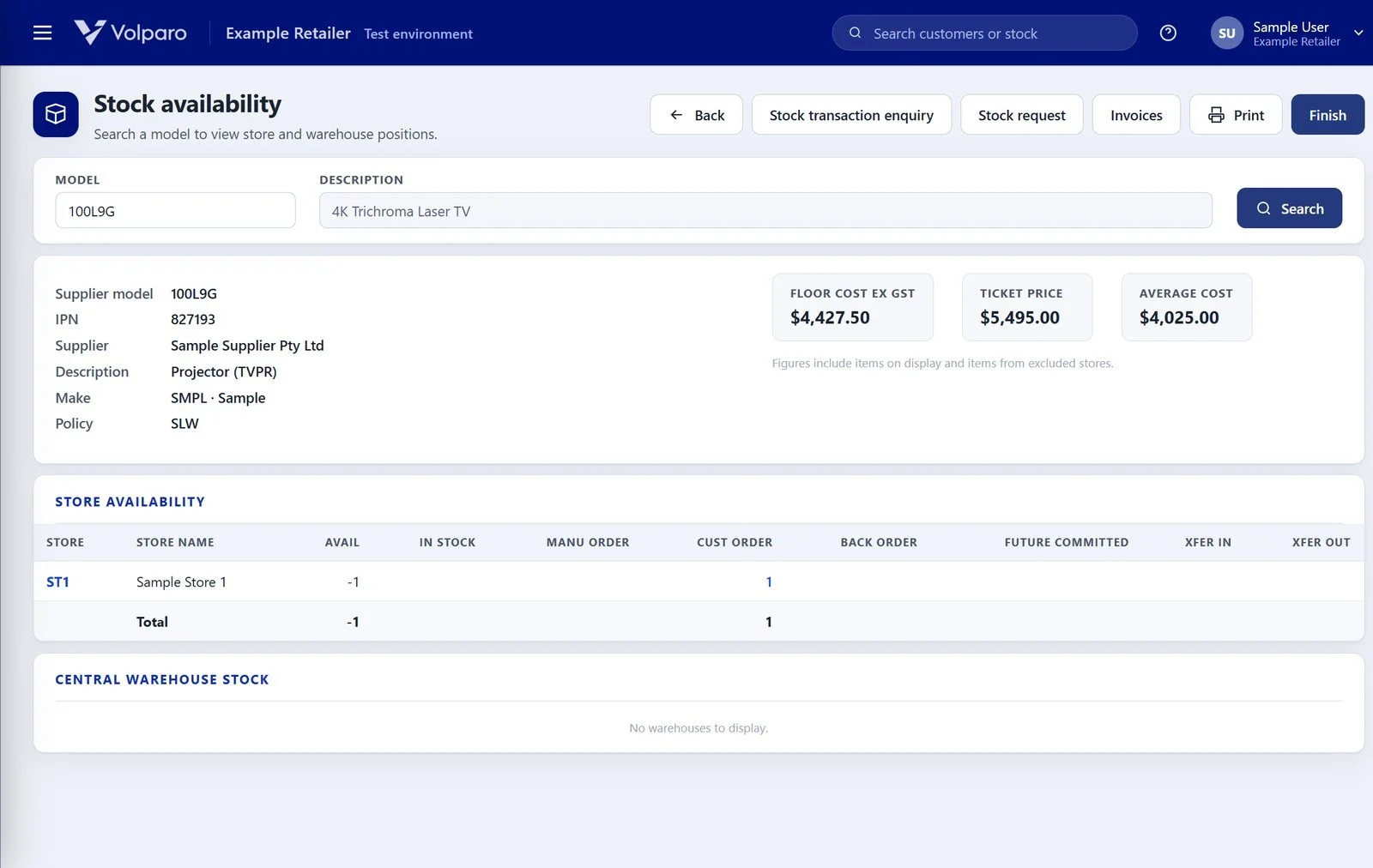
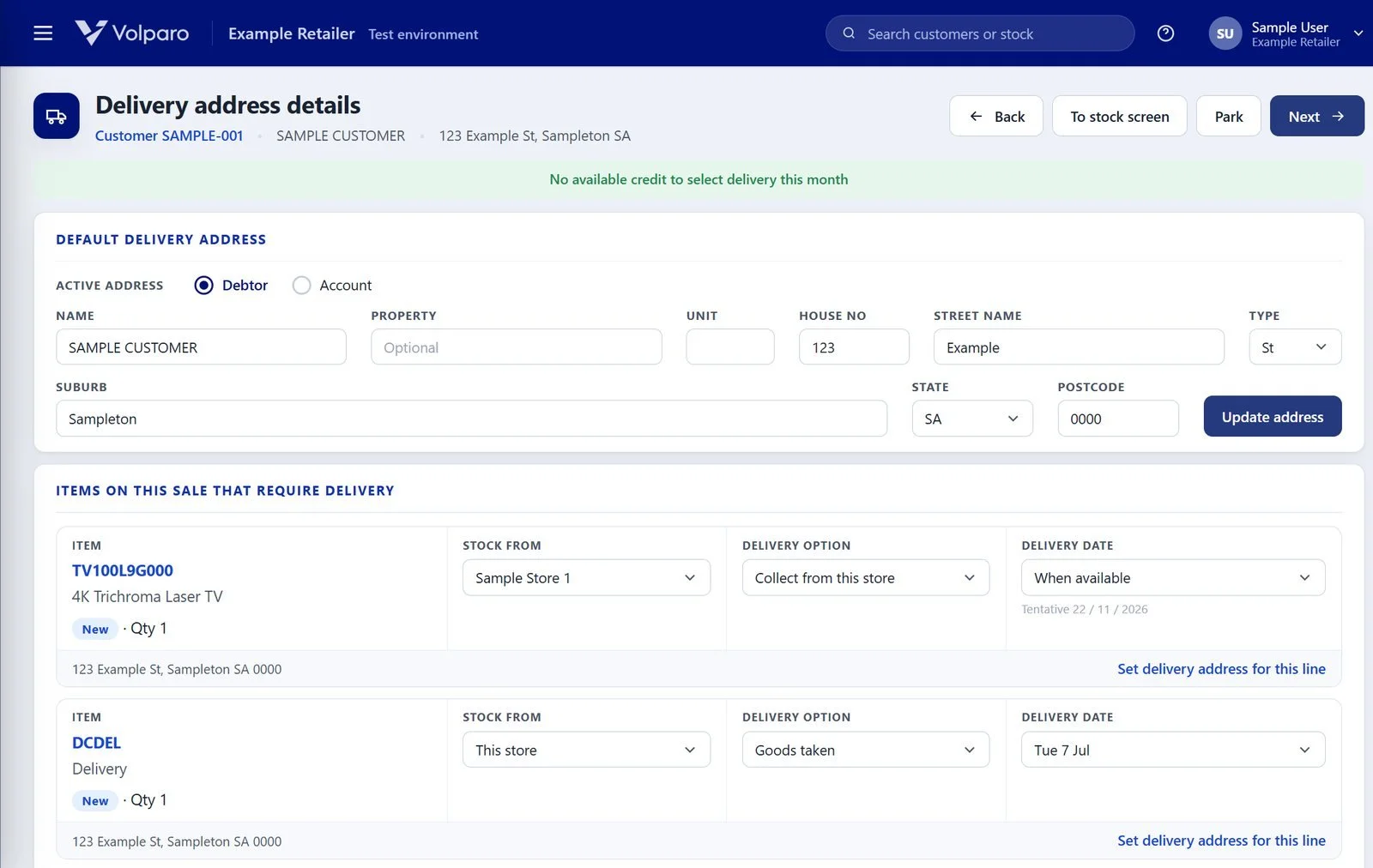
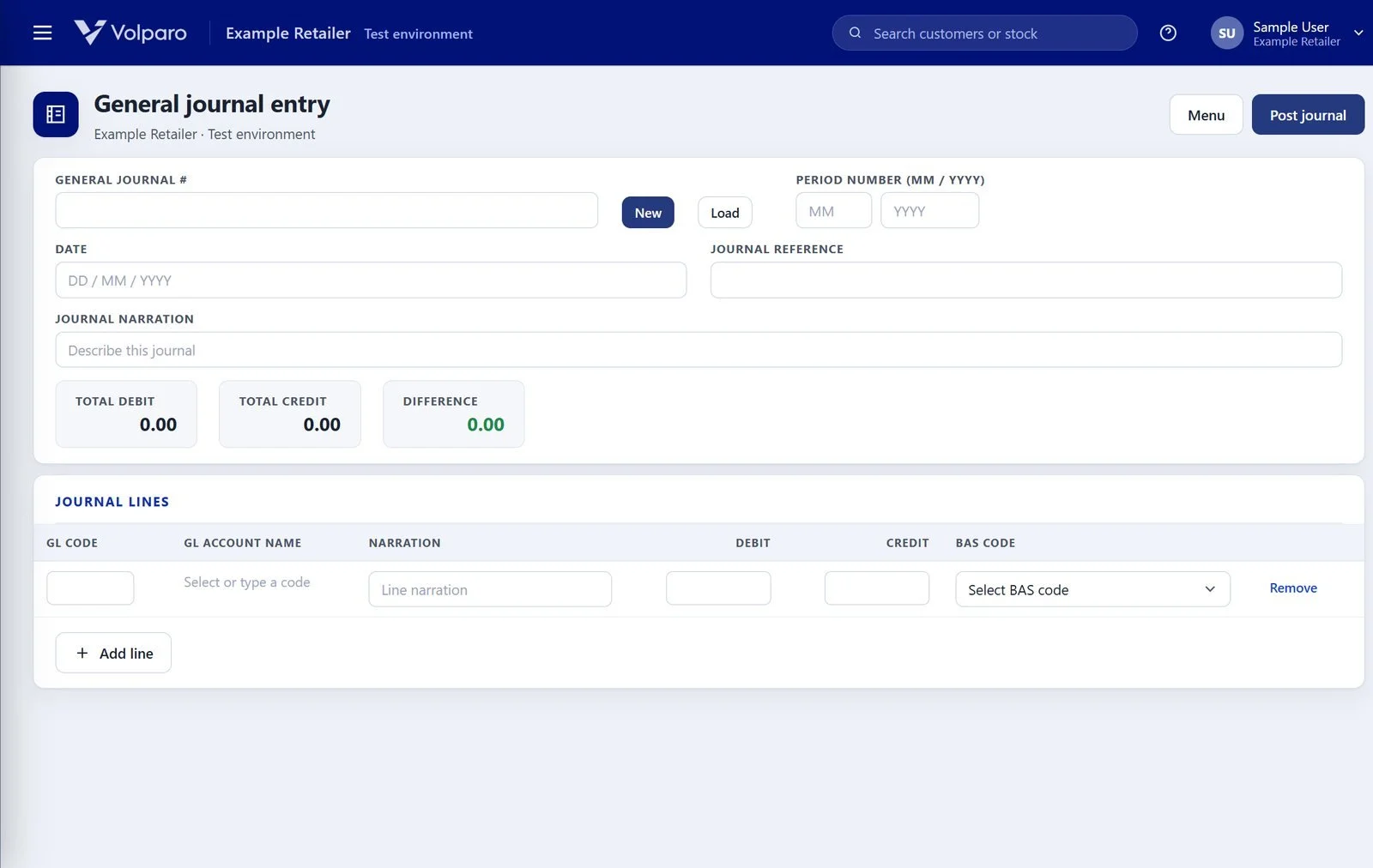
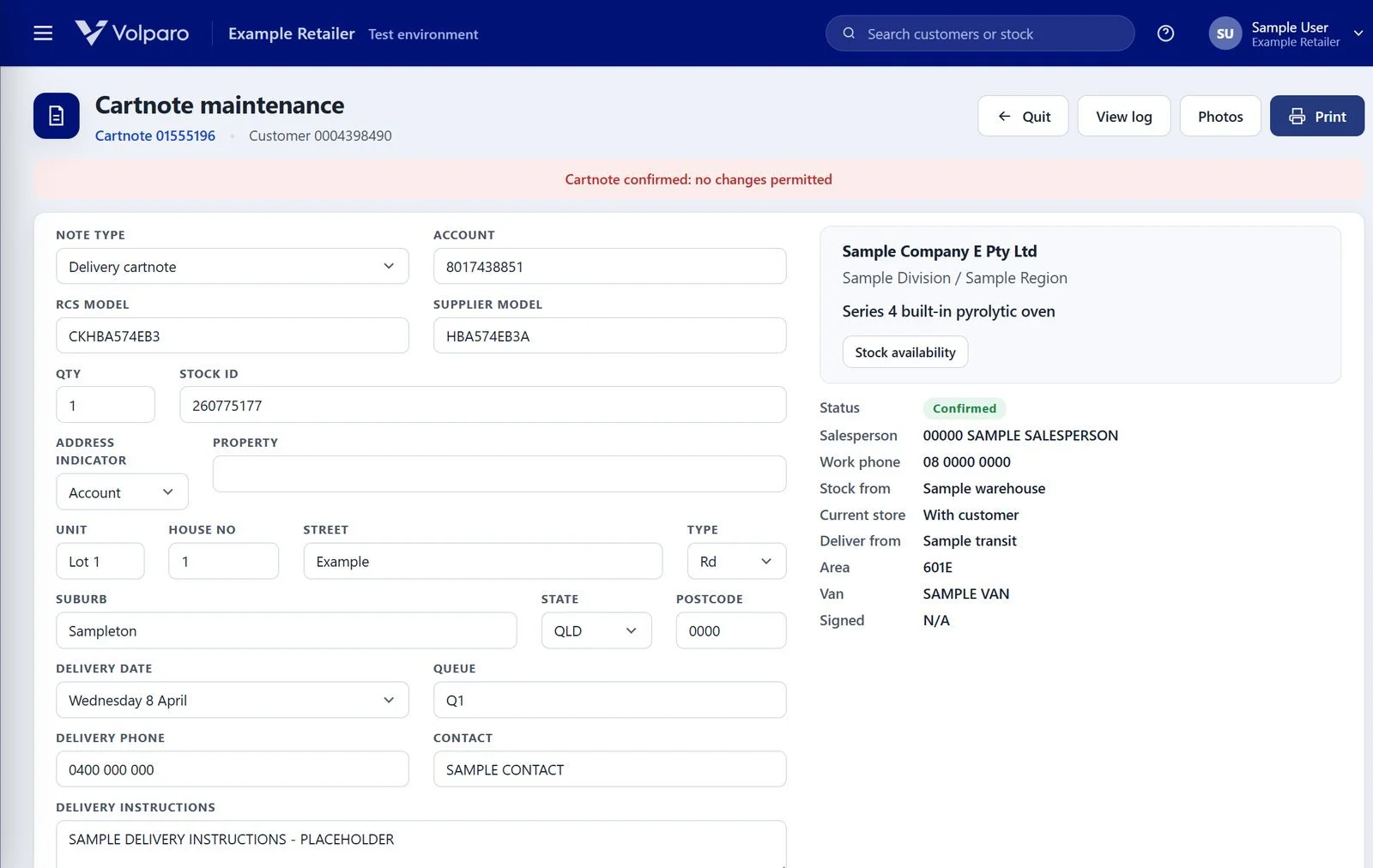
The challenge was never the engine, it was the cockpit. The interface reflected the conventions of an earlier era of business software, and increasingly looked out of step with the modern tools staff use everywhere else in their working day. Merchants wanted a contemporary experience without any change to the underlying behaviour they had come to depend on.
This set a firm brief. Modernise everything the user sees and touches, while leaving the proven Visual BBj core untouched and the established data flows intact. Long time users also work at speed, and any uplift had to preserve the rapid, keyboard driven rhythms that make experienced operators productive. A prettier interface that slowed them down would have failed.
Our Role
JAC embedded with the RCS engineering team and treated the uplift as a genuine collaboration rather than a handover. We worked alongside their developers to understand how the existing interface was assembled, then introduced modern front end standards in a way the team could own and extend long after our involvement.
Our Approach
Rather than impose an unfamiliar framework from outside, JAC mapped how the current Visual BBj interface was defined and where users felt the most friction. The uplift was designed around those realities rather than a blank sheet ideal, ensuring the modern interface fit the way merchants actually work.
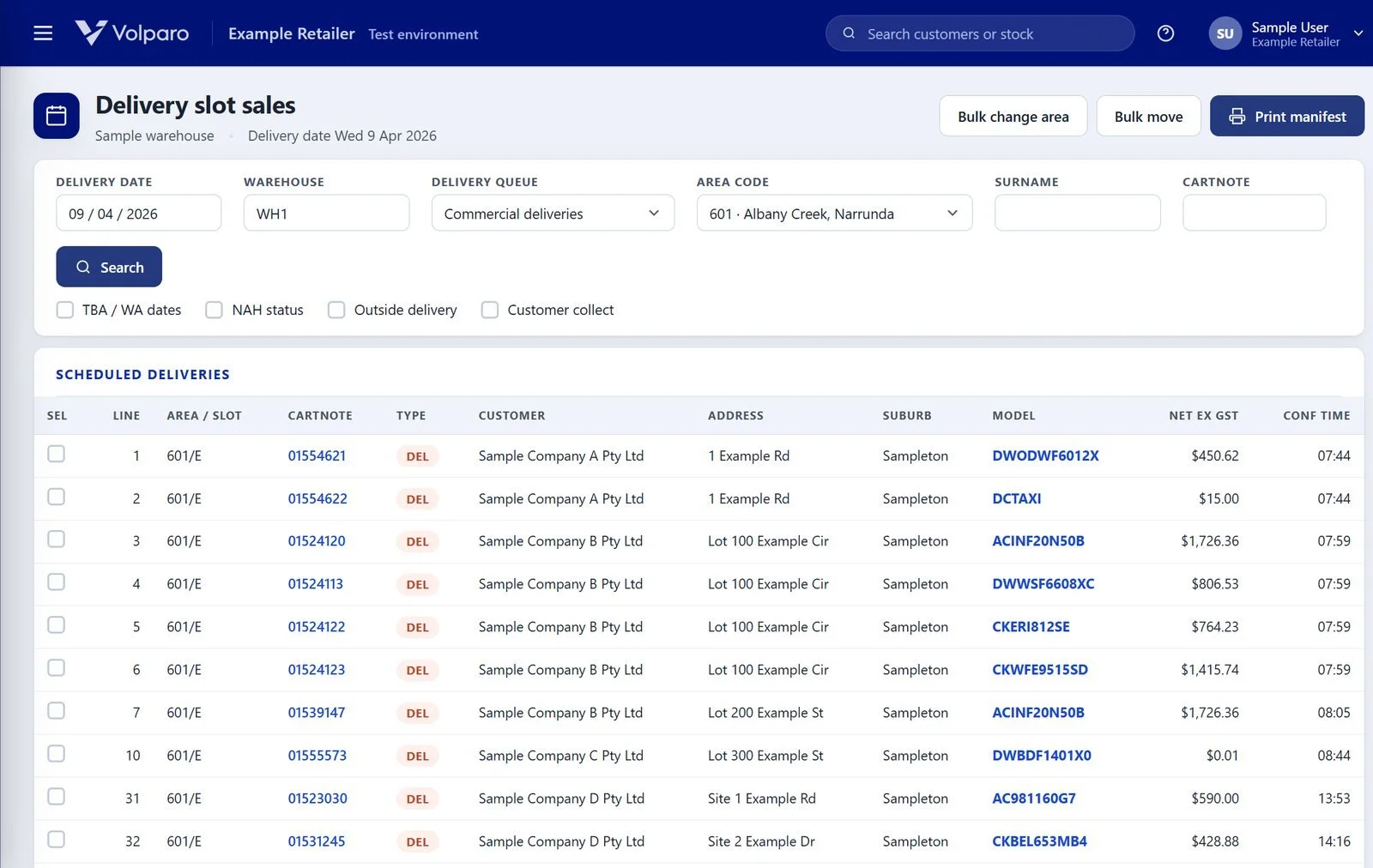
We brought the interface onto current web standards, using HTML and CSS with Bootstrap as a familiar, well supported foundation for layout, grid, components and responsive behaviour. This gave the system a consistent, contemporary appearance while keeping the front end approachable and maintainable for the existing engineering team.
Throughout, the Visual BBj core continued to own the business rules and data. The new presentation layer sat cleanly in front of it, so the modernisation changed how the system looked and felt without altering what it does. No business logic was reimplemented, keyboard driven entry and field order were carried across deliberately, and nothing merchants relied on was put at risk.
The Outcome
The system now presents a clean, modern interface built on current web standards, bringing a platform of more than thirty years visually in line with the software staff use everywhere else. The Visual BBj engine and its decades of retail logic continue to run exactly as before, so merchants gained a better experience with no risk to the reliability they depend on. Because the front end was built on widely understood standards, the layered approach also gives RCS a repeatable pattern for modernising further parts of the system at a pace that suits the business.
The happiest outcome of all came after the project. The working relationship built through this collaboration grew into something far bigger, and RCS and JAC have since merged. Our team now works alongside theirs, continuing to build on a proven platform and to support the merchants who have trusted it for decades.